
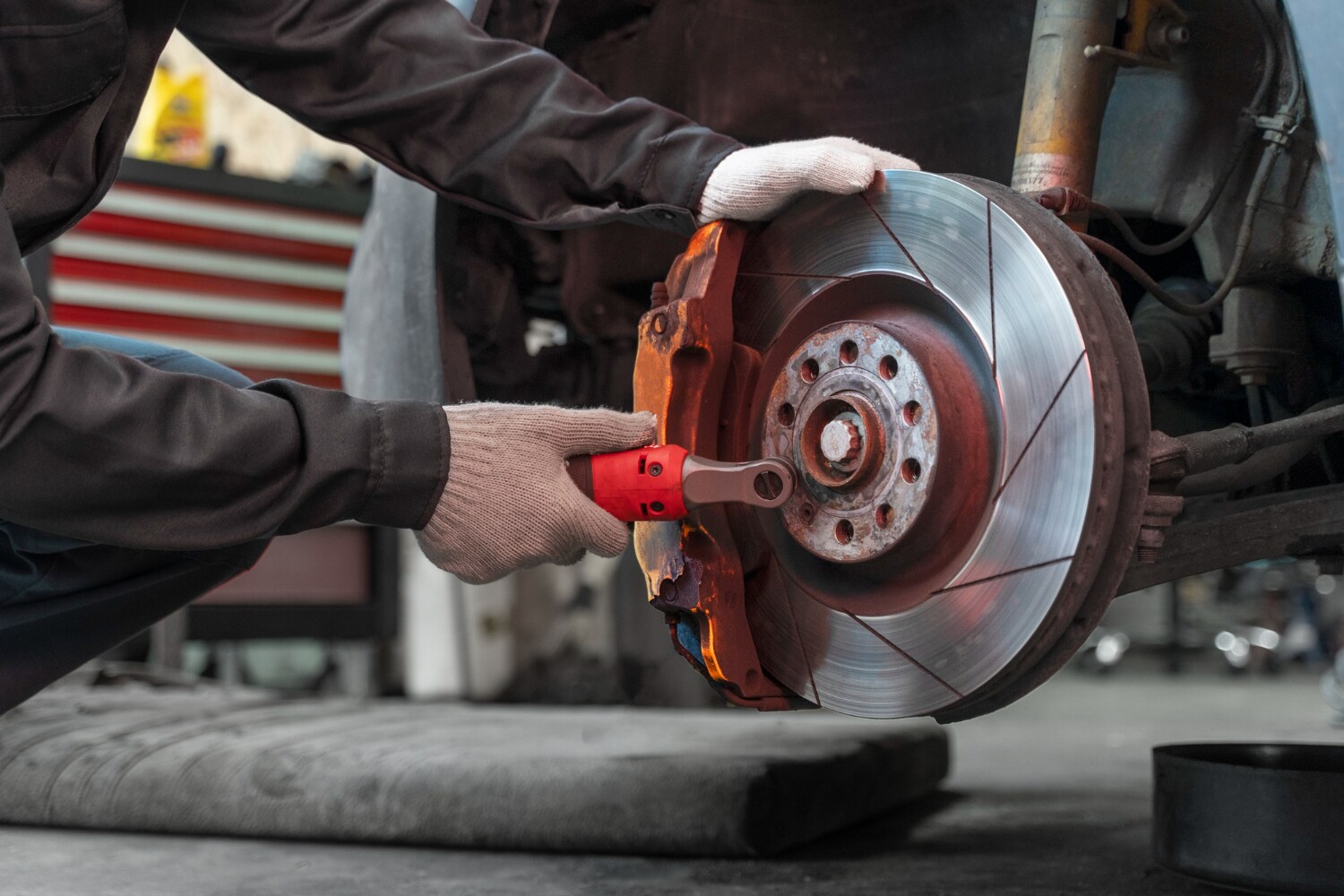
Brake Services
Your BMW's braking system is one of the most critical safety components on your vehicle, and keeping it in top condition ensures every drive feels as confident as the day you first got behind the wheel. At BMW of Rochester Hills, our factory-trained technicians deliver professional brake services designed to preserve the precision engineering your BMW is known for.
Whether you're commuting along M-59 from Troy or Sterling Heights, picking up the family in Lake Orion, or heading into Birmingham or Bloomfield Hills for the weekend, responsive brakes make all the difference. Contact us today to schedule brake services.
Key Takeaways
- Your BMW's braking system relies on multiple components working together, including pads, rotors, calipers, and brake fluid.
- Common signs you may need brake service include squealing sounds, a soft brake pedal, or longer stopping distances.
- BMW of Rochester Hills uses genuine BMW parts and factory-trained technicians for every brake service.
How Do the Brakes In My Car Work?
Understanding how your braking system functions can help you recognize when something needs attention. Modern BMW vehicles use a disc brake system on all four wheels, and the process starts the moment you press the brake pedal.
When you apply pressure to the pedal, hydraulic brake fluid transmits that force through brake lines to the calipers at each wheel. The calipers then squeeze brake pads against the rotors (the metal discs that spin with your wheels), creating friction that slows and stops the vehicle. Your BMW also features an anti-lock braking system (ABS) that prevents wheel lockup during hard stops, helping you maintain steering control.
Over time, the friction between pads and rotors causes gradual wear. Brake fluid can also absorb moisture, which reduces its effectiveness. That's why periodic inspections and maintenance matter. Each component in the system plays a role, and addressing wear before it progresses keeps the entire system performing at its best.
About Our Brake Services
We provide comprehensive brake care using genuine BMW parts and the specialized diagnostic tools your vehicle requires. Our certified technicians follow BMW's recommended service procedures, which means every inspection and repair meets the same standards your vehicle was built to.
Our brake services include:
- Brake pad inspection and replacement
- Rotor resurfacing or replacement
- Brake fluid testing and exchange
- Caliper inspection and service
- Brake line and hose evaluation
- ABS and brake sensor diagnostics
- Parking brake adjustment and repair
We use original equipment manufacturer (OEM) brake components engineered specifically for your BMW model.
Signs You Need Brake Services
Your BMW communicates when it needs attention, and brakes often give clear signals before a small issue becomes a larger repair. Here are some of the most common indicators that it's time to schedule brake services.
Unusual sounds are often the first clue. A high-pitched squealing or squeaking when you brake typically means the wear indicators on your brake pads are making contact with the rotor. This built-in alert lets you know the pads are reaching the end of their service life. A grinding or metallic scraping sound may indicate the pads have worn through completely and metal is contacting metal, which can damage rotors.
Changes in pedal feel also deserve attention. If your brake pedal feels soft, spongy, or sinks closer to the floor than usual, there may be air in the brake lines or an issue with brake fluid levels. A pedal that pulses or vibrates when pressed could point to warped rotors.
Longer stopping distances can develop gradually, making them harder to notice day to day. If you feel like you need to press the pedal harder or earlier than before, that's worth investigating.
Dashboard warning lights, including the brake warning indicator or ABS light, should always be addressed promptly. Your BMW's onboard systems monitor brake component status and will alert you when service is recommended.
Visual cues are helpful too. If you notice brake dust buildup that seems uneven between wheels, or if you can see that your brake pads appear thin when looking through your wheel spokes, it's a good time to bring your vehicle in for an inspection.
Staying proactive with brake maintenance is one of the simplest ways to protect your safety and preserve your BMW's performance over the long term.
FAQs
How often should I have my BMW's brakes inspected?
BMW recommends a brake inspection at least once a year or every 10,000 miles. However, driving habits and conditions can affect wear, so your technician may suggest more frequent checks based on your specific situation.
How much do brake pads typically last on a BMW?
Your brakes typically last around 30,000 miles. However, this depends on your driving habits.*
What can happen if you drive with worn brakes?
Driving with worn brakes can lead to damage beyond just the brake pads. As pads wear down, they can affect the rotors and other braking components, increasing repair costs.
Reduced braking performance can also extend stopping distances, which impacts overall vehicle control. In some cases, uneven braking may contribute to irregular tire wear, shortening tire life as well.
Schedule Brake Services Today
Reliable brakes are foundational to every safe, enjoyable drive, and BMW of Rochester Hills is here to make sure your braking system always performs the way it should in Rochester Hills, Rochester, Troy, Lake Orion, Bloomfield Hills, Brimingham, Sterling Heights, and Detroit, MI. From routine pad replacements to full brake system diagnostics, our factory-trained team delivers expert brake services with genuine BMW parts and the precision your vehicle deserves.
Schedule your brake service appointment online or contact our service team today.
How Can We Help?
* Indicates a required field